
We all know that a deep, refreshing breath can reset our mood—but did you know that how you breathe may be directly influencing your liver function and overall visceral health?
The Role of Diaphragm Breathing in Visceral Health
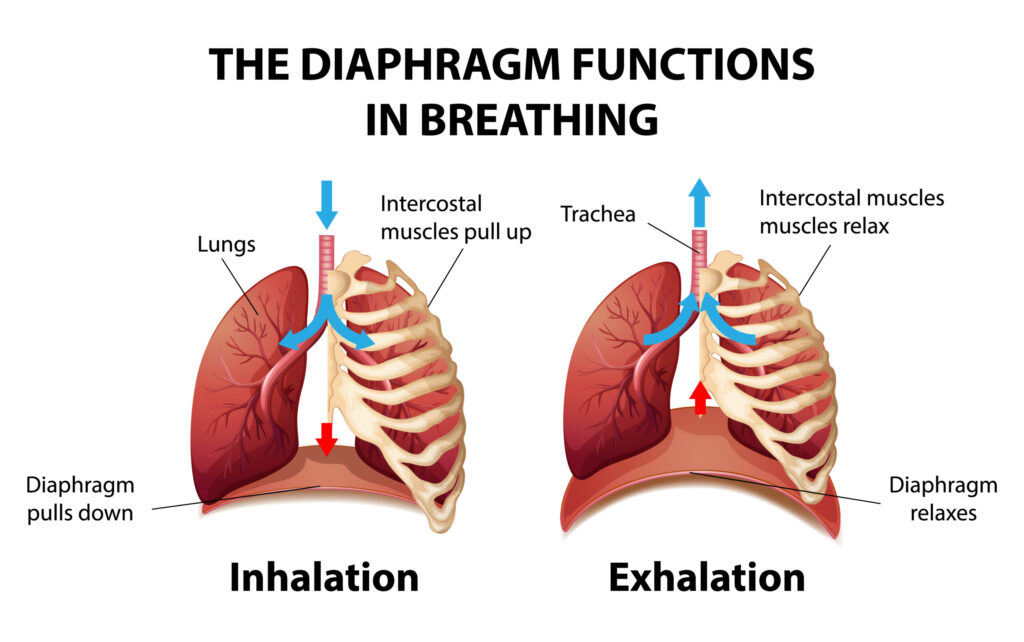
The diaphragm is more than just a muscle that helps you breathe. Every time you take a deep breath, your diaphragm glides gracefully over your liver, gently massaging it. This natural movement plays a crucial role in promoting healthy blood flow and lymphatic drainage, both of which are essential for detoxification. When your diaphragm isn’t functioning optimally—say, from shallow breathing—it can limit these processes. Over time, reduced movement means the liver isn’t receiving the “massage” it needs, potentially leading to inflammation in the gut lining and diminished detox capacity.
Why It Matters for Your Liver
Your liver acts as your body’s internal detox powerhouse, processing and eliminating waste. When diaphragm movement is compromised, the delicate interplay between the liver and surrounding organs is disrupted. This can lead to:
- Poor circulation and stagnation of toxins,
- Increased gut permeability (often called “leaky gut”), and
- A cascade of inflammatory responses that may eventually impact your digestive comfort and overall well-being.
The Brain, Breath, and Beyond
Interestingly, proper diaphragm breathing doesn’t just support your liver—it also ties into how your pelvic floor engages during movement. Research suggests that coordinated breathing with pelvic floor activation helps maintain core stability, improves posture, and even reinforces neurological pathways that support both physical and mental health.
Our Unique Whole-Person Approach
At My Health Chiro, we integrate this science into every session. While our in-clinic treatments include targeted spinal adjustments and cranial therapy to promote healthy neural function, we know that lasting change happens when you take that care home. That’s why we complement our treatments with:
- Mindset Coaching: Helping you manage daily stress so your body’s natural processes aren’t constantly in overdrive.
- Nutritional Support: Ensuring your body gets the building blocks it needs for healing.
- Neuroexercise: Specific drills to support neural regulation and reinforce healthy breathing patterns.
Optimal diaphragm breathing is a cornerstone of good visceral health. By improving the natural glide of your diaphragm over the liver, you support detoxification and help maintain a healthy gut lining. When combined with our integrative approach, this not only enhances your physical well-being but also lays the groundwork for sustained health—both in and out of the clinic.
If you’re curious about how to optimise your breathing patterns or have any questions about how this fits into your overall care, we’re here to help.
Look forward to meeting you!
References for Further Reading:
- McConnell, A. K., & Romer, L. M. (2004). The role of the diaphragm in trunk stability. Journal of Bodywork and Movement Therapies, 8(1), 10-16.
- Kolar, P., et al. (2015). Diaphragmatic breathing and visceral circulation: Implications for liver detoxification. Journal of Respiratory Medicine, 109(3), 250-256.
- Sapsford, R., & Buckley, D. (2016). Diaphragmatic breathing, pelvic floor activation and their implications for overall health. Journal of Manual & Manipulative Therapy, 24(1), 26-33.